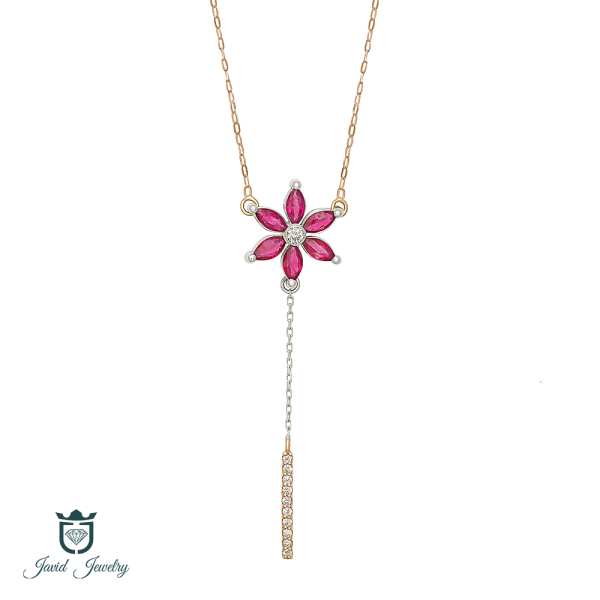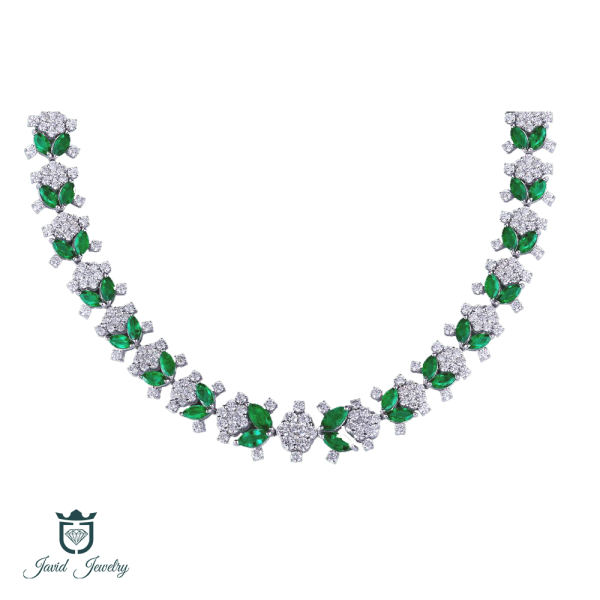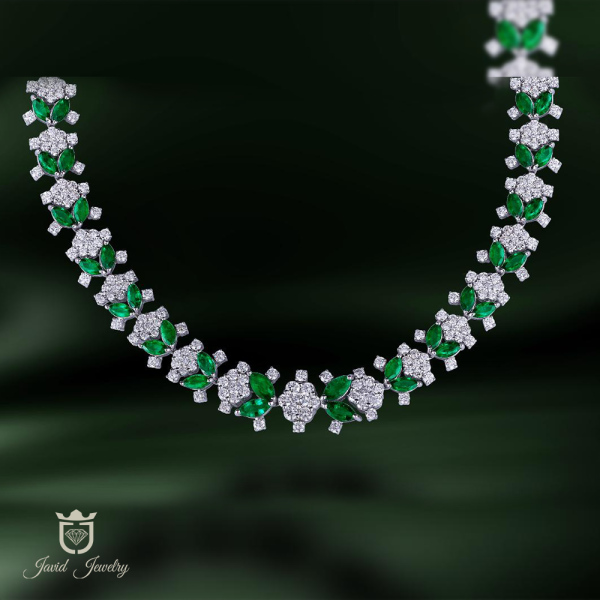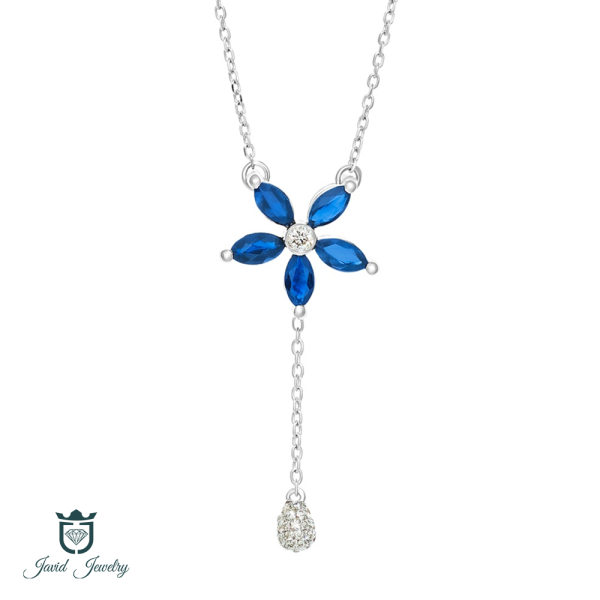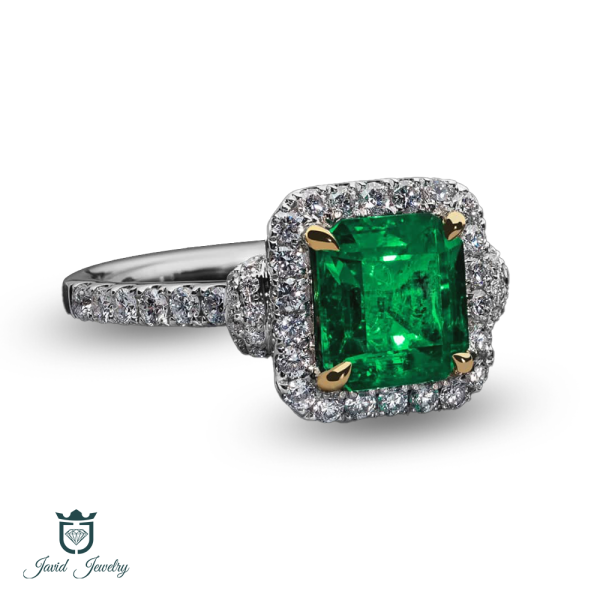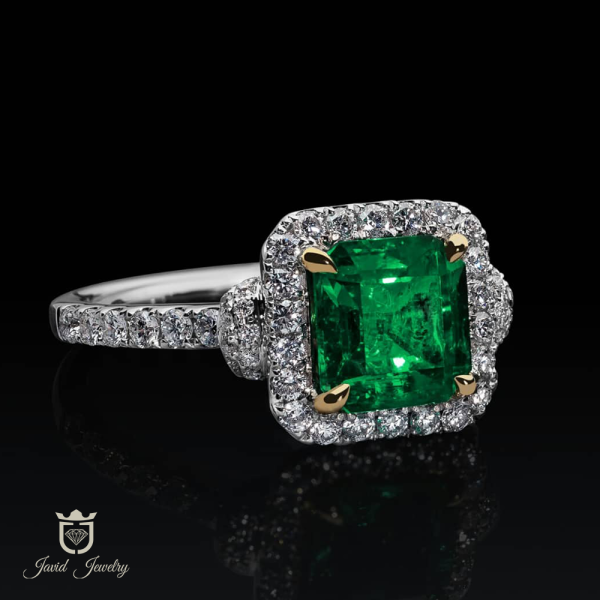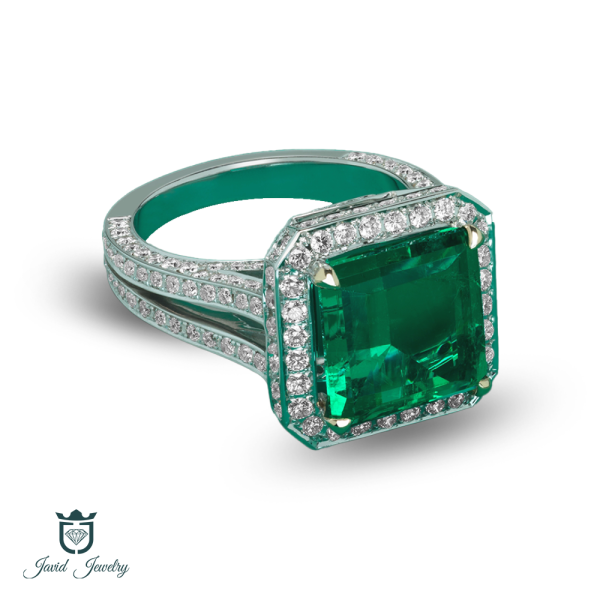
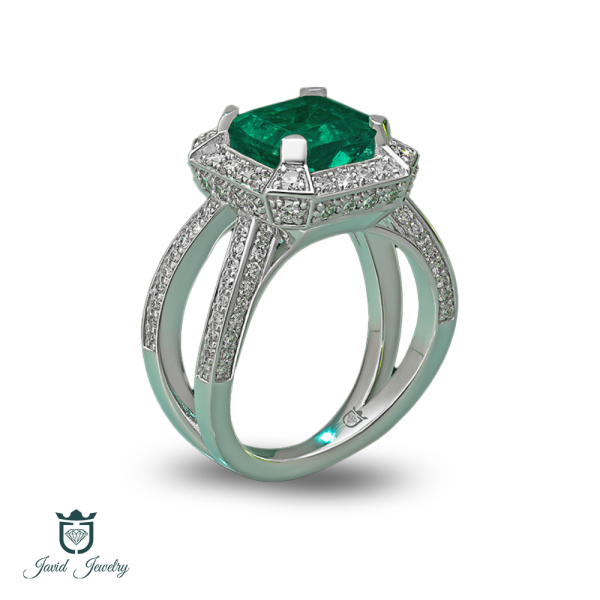
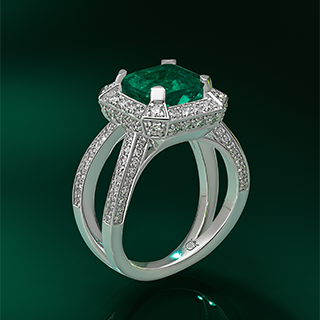
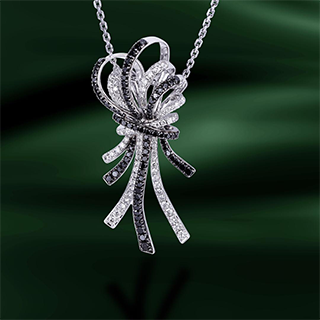
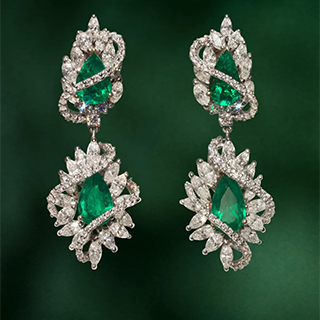
Ring 2

Rings

View all Rings

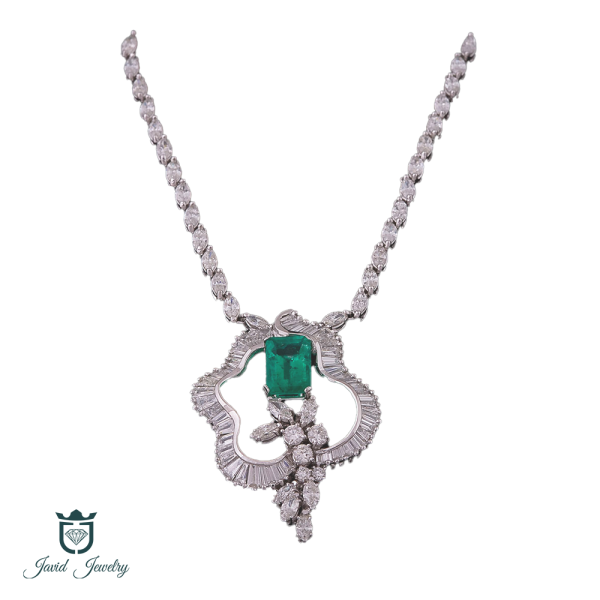
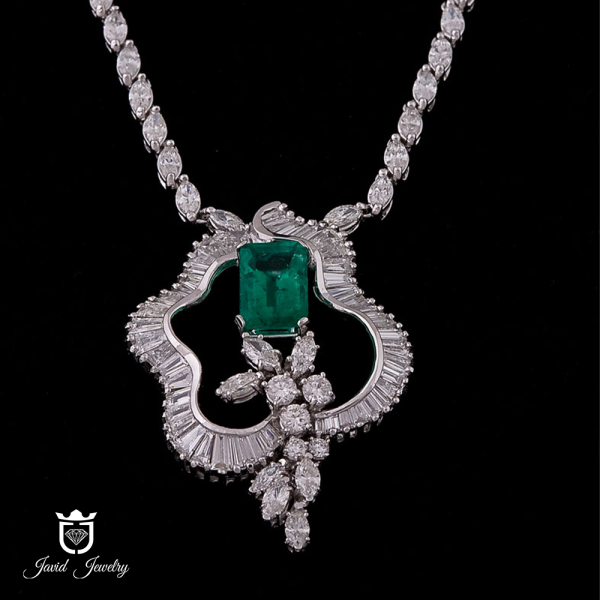
Neckles1

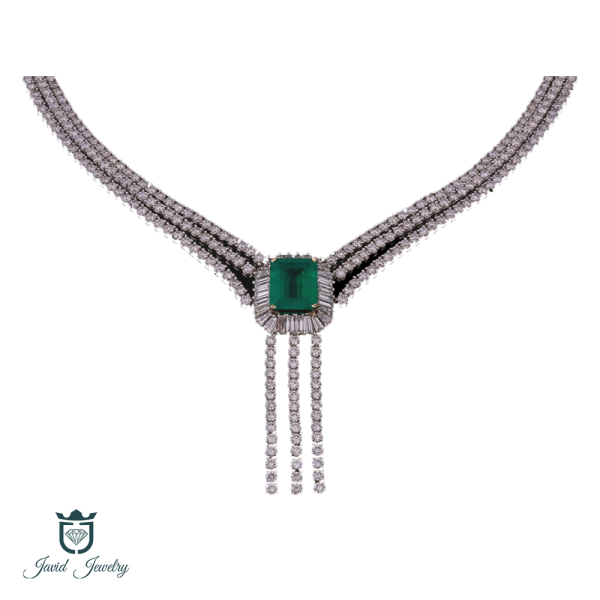
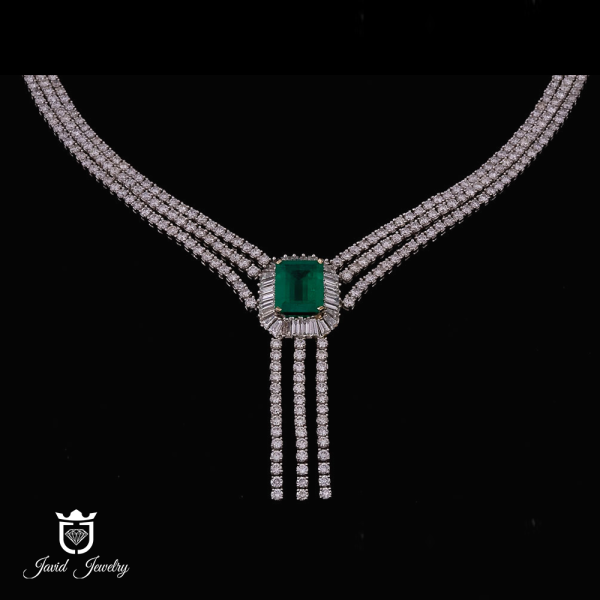
Necklaces

View all Necklaces

Earing 2

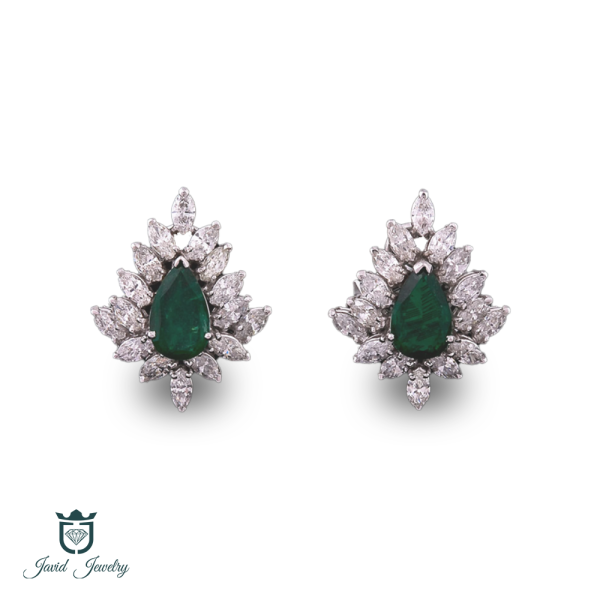
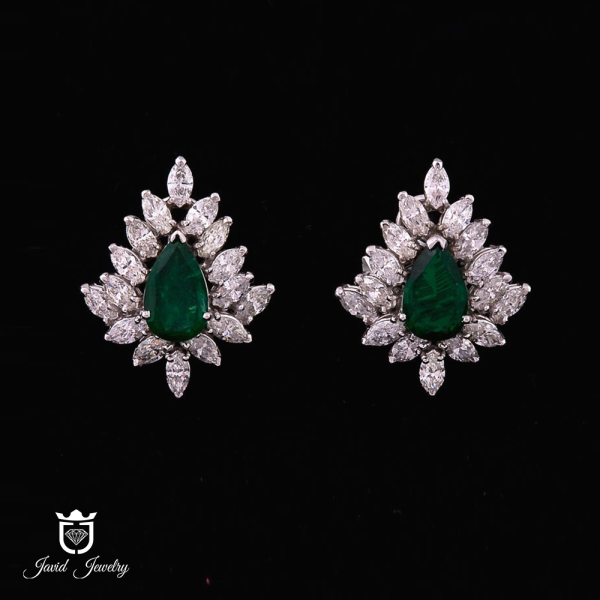
Earrings

View all Earrings

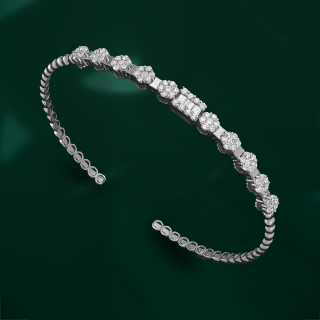
Bracelets12

Bracelets

View all Bracelets

CATALOGUE

Our Products

Icon15

Create Your Own

Custom Diamond Jewelry

Icon1

Create Your Own

Custom Diamond Jewelry

The 4Cs:

  1. Carat Weight:
    • Refers to the size or weight of the diamond.
    • Measured in carats, where 1 carat equals 0.2 grams.
    • Larger diamonds are rarer and usually more valuable.
  2. Cut:
    • Describes how well the diamond is shaped and faceted.
    • The cut determines the diamond’s brilliance, sparkle, and overall aesthetic appeal.
    • Grading ranges from Excellent to Poor.
  3. Color:
    • Evaluates the absence of color in a diamond.
    • Graded on a scale from D (colorless) to Z (noticeable yellow or brown tint).
    • The closer a diamond is to being colorless, the higher its value.
  4. Clarity:
    • Measures the presence of internal flaws (inclusions) and external blemishes.
    • Graded on a scale ranging from Flawless (no inclusions visible under 10x magnification) to Included (visible inclusions).
    • Diamonds with fewer flaws are rarer and more valuable.
Javid jewelry 12
Javid jewelry 23

History of the 4Cs:

The 4Cs were developed in 1953 by the Gemological Institute of America (GIA) to create a universal standard for diamond grading. Before this, diamond quality assessments were inconsistent and often subjective.

  • Why the GIA introduced the 4Cs:
    • The diamond market needed an objective and transparent way to grade and compare diamonds.
    • Jewelers could confidently describe the qualities of a diamond to customers.
    • Customers gained a clear understanding of what they were purchasing.
  • Impact:
    • The 4Cs revolutionized the diamond industry by ensuring consistency and trust.
    • Today, the 4Cs are the global standard for diamond grading and remain a critical part of the diamond-buying process.